
The conversations that typically precede a retail floor robot deployment focus on the robot. Does it detect people? What speed does it run? How does it charge? Those are the right questions, but the deployment readiness questions that most often delay or derail a pilot are about the environment the robot is going into, not the robot itself.
This checklist is distilled from three retail pilot site assessments we have run, ranging from a general merchandise store to a grocery distribution facility to a convenience store chain's pilot unit. Not every item here applied to every site. But each one came up as a real issue at least once during those assessments, and in two cases, a missed item delayed go-live by two to three weeks.
We are sharing this as a practitioner guide, not a marketing document. If your site assessment turns up items from this list that are not solved, that is useful information before deployment, not after.
Floor conditions
1. Minimum aisle width confirmation. Measure actual aisle widths at their narrowest points, including temporary narrowing from shelf displays, promotional fixtures, and seasonal merchandise stacks. A robot that requires 1.4m of aisle width for safe proximity-aware operation may encounter a 1.1m effective aisle at a seasonal display location. The robot will stop correctly in that scenario, but frequent proximity stops at display locations affect throughput and create a visible operational issue that store staff will escalate. Confirm minimum widths across the full planned route, not just the main aisles.
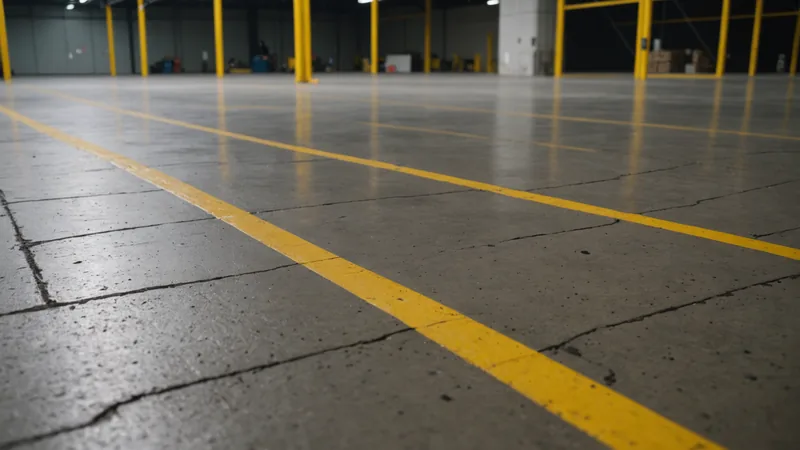
2. Floor surface transitions. Identify all surface transitions along the planned route: tile to concrete, mat overlays, threshold strips at department boundaries, anti-slip surfacing, drain grates. Floor-contact force sensing distinguishes between contact events and surface irregularity, but calibration for a new surface transition takes testing time. A site with five different floor surface types along the robot path requires more calibration time than a single-surface site.
3. Floor level tolerance. Retail floors are rarely perfectly level. Measure the floor level variation along the planned route using a spirit level or inclinometer at intervals of 3 to 5 meters. Floor level variation within 8mm per meter is generally manageable. Larger transitions at doorways, loading dock thresholds, or older floor sections may require ramp management or route adjustments.
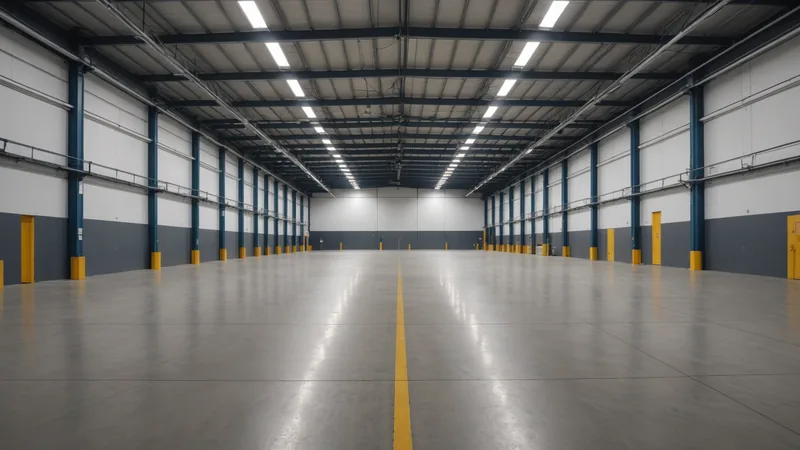
4. Reflective surface conditions. Highly polished floors, wet floors during cleaning operations, and highly reflective seasonal floor decorations (foil-wrapped promotional displays, mirror-finished fixture bases) can affect depth camera performance. Note the times of day when floor cleaning occurs and where reflective surfaces exist along the planned route. Proximity sensing degrades predictably in these conditions and can usually be managed by route timing or route avoidance, but it needs to be known ahead of deployment.
Staff preparation
5. Staff briefing scope. Every staff member who will work in the robot's operating area needs a briefing before go-live. This does not need to be a long session, but it needs to cover three things: what the robot does when it detects a person (defers and waits), what the emergency stop procedure is, and how to report an unusual robot behavior they observe. Staff who have not been briefed will typically either try to avoid the robot by stepping around it quickly (which can create rapid proximity zone re-entry patterns the robot is not optimized for) or touch the robot to push it out of their way, which triggers a contact fault.
6. Emergency stop placement and staff knowledge. Physical emergency stop buttons should be visible and accessible at both ends of the operating route and at the nearest staff work station. Staff should be able to operate the emergency stop without looking at it -- meaning it should be at a location they already visit, not a dedicated location they need to remember. Confirm that the store duty manager on each shift knows the e-stop location and procedure, not just the staff members who were at the initial briefing.
7. Store management signoff on route and operating hours. The route and operating hours for the robot need explicit sign-off from store operations management before go-live, not just the facilities or operations team. In one site assessment, the store manager had not been informed of the planned route and intervened after go-live to restrict the robot's access to two aisles for the first two weeks, which significantly affected the pilot metrics. This is a communication process issue, not a technical one, but it delays pilots as effectively as any technical problem.
Infrastructure and connectivity
8. Wi-Fi coverage along the full route. Map Wi-Fi signal strength along the full planned route at floor level using a device held at robot height (roughly 300 to 500mm above floor). Coverage gaps that are acceptable for handheld device use may not be acceptable for continuous fleet telemetry. A robot that loses connectivity briefly can continue operating in autonomous mode per its local navigation plan, but fleet dashboard visibility and remote management require connectivity throughout the operating area. Identify coverage gaps and confirm whether access point placement changes are feasible before go-live.
9. Charging station placement and power availability. The charging station location needs a dedicated 15A circuit within 1.5 meters. Confirm that the planned charging location has the required circuit and that the circuit is not shared with high-draw equipment on the same branch (refrigeration units, display lighting, HVAC). Shared circuits with variable-load equipment produce voltage fluctuations that affect charging stability. Also confirm that the charging station location does not create a bottleneck in the aisle: a robot parked at a charging station should not block the standard picking route.
10. Network segmentation and IT approval. Retail IT teams often have strict requirements about devices connected to store networks. Get IT review and approval of the robot's network requirements (MQTT over TLS, fleet dashboard API, OTA update pathway) before the go-live date, not the week before. IT approvals at larger retail operations can require two to four weeks from initial submission. Missing this item was the single most common cause of pilot delays in our site assessments.
Operational planning
11. Defining the pilot success criteria before go-live. Agree with the store operations contact on what metrics constitute a successful pilot before the robot starts running. Common metrics in retail: proximity stops per operating hour (a measure of how often the robot is stopping for human traffic), average task cycle time, and maintenance fault frequency. If success criteria are not defined before go-live, conversations about pilot outcomes tend to focus on whatever incidents occurred rather than on the baseline performance data that determines whether the pilot met expectations.
12. Plan for the first three days. The first three days of robot operation in a retail environment typically produce the highest rate of staff interaction, unexpected stop events from floor conditions, and route adjustments. We run on-site for the first two days of any deployment to observe, collect sensor logs, and make real-time adjustments. If on-site support from the robot vendor is not available for the first 48 hours, build in more time between the start date and any externally reported pilot milestone, because the initial calibration period affects early metrics in ways that resolve within the first week.
A note on scope
This checklist covers the site readiness side of deployment. It does not cover the robot-side technical preparation: navigation map building, proximity zone calibration for the specific site's floor and ambient conditions, and WMS integration testing. Those are a separate track that runs in parallel with site readiness. The items above are in scope for the store or facility operations team, not for the robotics technical team.
We have found that the most effective deployments start with an in-person site walk with both the operations lead and the facilities/IT contact together. Running through this list during that walk takes about 40 minutes and usually surfaces two or three items that need follow-up actions before go-live. Doing that walk three weeks before the planned start date provides enough time to resolve most items without pushing the timeline.